
Spot and Prevent Financial Fraud
With the help of artificial intelligence (AI), financial fraud is more sophisticated than ever. The Lake Region Bank team is here to help you spot financial fraud and prevent you from becoming a victim.
Learn More About:

Get in Touch
Want to learn more or have a question about financial fraud? Get in touch with one of our friendly, local bankers today.
What You Need to Know About Bank Fraud
Account Takeovers
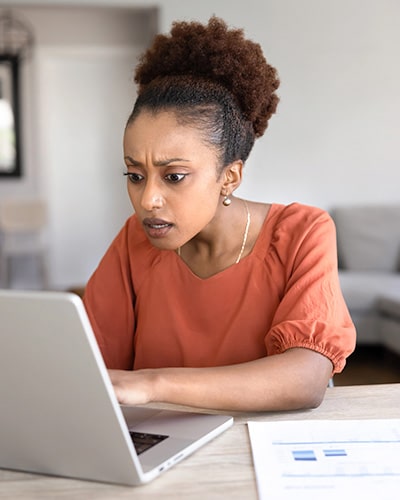
Spot Account Takeovers
Here’s what to look for to spot a potential account takeover or takeover attempt:
- Unauthorized changes to your account usernames and/or passwords
- Software or apps you didn’t download on your computer or phone
- Being locked out of your bank or credit card accounts
- Stolen or missing financial mail, such as bank statements.
- Unauthorized charges, transfers, or withdrawals
How to Protect Yourself
Here’s what you can do to protect yourself from an account takeover attempt.
- Keep documents with account information in a safe, secure place.
- Shred documents with personal information before recycling them.
- Monitor and review your bank statements, credit card statements, and credit reports.
- Set up alerts on your Lake Region Bank account for attempted logins and to monitor transaction activity.
- Download and install all computer and mobile device security updates.
- Use two-factor authentication whenever possible.
- If you receive a call, email, or text asking you to share account information, ignore it and call Lake Region Bank using the number on our website (320-235-5900).
Phishing
Fishing is a fun pastime, but someone phishing for your information is no fun at all. A phishing scam typically arrives by email, phone call, or text. The message usually says there’s something wrong with your account and urgent action must be taken.
Phishing scams are designed to create a sense of urgency and fear so you hand over account information or click a link with malicious software that gets downloaded on your device. Phishing scams are on the rise and are more believable thanks to AI.
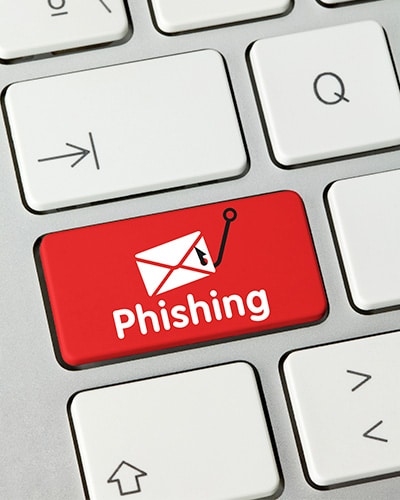
Spot Phishing
Here’s what to look for to spot a phishing scam:
- Unknown phone number not publicly available on the bank’s website
- Email address doesn’t end with the bank’s domain: @lakeregion.com
- Suspicious URLs that don’t seem like they would come from the bank (we’ll never ask you for your PIN or password)
- Unexpected attachments
- Requests for account information or other personal information (we will never ask for your PIN, password, or other account information on the phone)
- Urgent language, warnings, or extreme consequences such as account closures
How to Protect Yourself
Here’s what you can do to protect yourself from phishing scams.
- Never click on the links in unsolicited emails or texts.
- Never share personal or account information in response to an unexpected email, call, or text, even when it appears to come from the bank.
- Instead, ignore the message or hang up and call the bank at 320-235-5900 or call your banker directly.
- Verify payment and purchase requests in person or via a separate phone call or text you initiate.
- If you feel like you’re being pressured or even threatened to act quickly, hang up the phone or ignore the email or text.
- Be careful about the information you share online. Scammers use information from your social media accounts to make their phishing scams sound believable.
Spoofing
Spot Spoofing
Here’s what to look for to spot spoofing:
- Caller ID can be spoofed – trust but verify
- Unknown phone number not publicly available on the bank’s website
- Email address doesn’t end with the bank’s domain (@lakeregion.com) or the domains for the “From” address and “Reply-To” address do not match
- Misspelled names and words or odd grammar
- Requests for account information or other personal information (we will never ask for your PIN, password, or other account information on the phone)
- Urgent language, warnings, extreme consequences such as account closures
- Suspicious URLs that don’t seem like they would come from the bank (we’ll never ask you to log into your account via email or text)
- Something just seems off—the email, call, or text is unlike anything you’ve received from the bank before.
How to Protect Yourself
Here’s what you can do to protect yourself from phishing scams that use spoofing.
- Never click on the links in unsolicited emails or texts.
- Never share personal or account information in response to an unexpected email, call, or text.
- Instead, ignore the message or hang up and call the bank at 320-235-5900 or call your banker directly.
- Verify payment and purchase requests in person or via a separate phone call or text you initiate.
- If you feel like you’re being pressured or even threatened to act quickly, hang up the phone or ignore the email or text.
- Be careful about the information you share online. Scammers use information from your social media accounts to make phishing scams sound believable.

Check Fraud
While the use of checks is down 25 percent since 2021, reports of check fraud have doubled during this time. Check washing has been around awhile, and advanced technology has made it easier to wash checks and trick people into accepting them.
Most check fraud starts with a stolen check. Criminals might raid your mailbox or the USPS box at the end of the block to intercept your mail and snatch a check to steal your account information or your money. From there, criminals use chemicals to erase and rewrite details that move money from your account into theirs. Individuals and businesses can both be victims of check fraud.
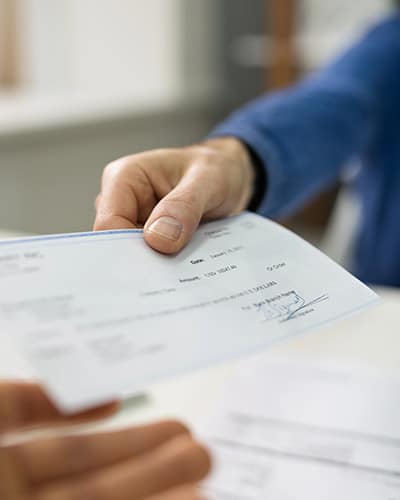
Spot Check Fraud
Here’s what to look for to spot a fake or washed check:
- You receive a check out of nowhere for a contest, lottery, or item overpayment
- The check comes with a request to send money back
- The check has mismatched check numbers, flimsy paper, or smeared ink
- The check has smooth edges all the way around, indicating it was never torn from a checkbook
How to Protect Yourself
Here’s what you can do to protect yourself from check fraud.
- Report a lost or stolen check immediately.
- Put a stop payment on checks you suspect have been stolen or lost.
- Monitor your bank account to confirm if a check has been cashed or is still outstanding.
- Never make a check payable to “Cash” or leave the payable line blank.
- Fill out every line of the check completely.
- Store your checks in a secure place.
- For businesses, store checks in a locked location that is only accessible to authorized signers.
Safe Financial Habits Checklist
- Check your accounts regularly
- Use strong passwords and change them regularly
- Don’t use public Wi-Fi to do your banking
- Don’t click on unsolicited, unexpected, or suspicious-looking links
- Protect your PIN
- Shred sensitive documents with personal or financial information
- Use secure payment methods such as Bill Pay, ACH, or a digital wallet
Banks Never Ask That
- We’ll never call to ask for your personal information.
- We’ll never ask for your help in a fraud investigation.
- We’ll never ask you to transfer money due to a fraud investigation.
- We’ll never ask you to be dishonest.
- We’ll never rush or pressure you into action.
- We’ll never threaten you with locking your account or closing accounts.
- We’ll never make transactions between your accounts without your authorization.
How to Report Fraud to Lake Region Bank
If you think your Lake Region Bank accounts or cards have been compromised, contact us right away for help.
Lock Your Debit Cards
Login to online or mobile banking to manage your debit card. Turn it OFF if you suspect fraud.
Report a Lost or Stolen Card
Call the bank at 320-235-5900 during business hours. If it is outside business hours, please call 1-877-253-8964 to report a lost or stolen debit card.
Report Identity Theft or Phishing Attempts
Lake Region Bank: 320-235-5900
Contact Police or FTC
- Contact your local police department
- Federal Trade Commission (FTC): 1-877-382-4357
Report Fraud to the Credit Bureaus
- Equifax: 1-800-525-6285
- Experian: 1-888-397-3742
- TransUnion: 1-800-680-7289
Frequently Asked Questions
About Bank Fraud
What is an account takeover?
How can I tell if I’m the target of a phishing scam?
What is spoofing?
Will Lake Region Bank ever ask me for my password or PIN over the phone?
How can I protect myself from financial fraud?
What is check washing?
What should I do if I think my bank account or card has been compromised?
What will Lake Region Bank never ask me to do?
Do More with
Your Money
The Lake Region Bank team is here to help you make the most of your money.
