
Protecting yourself from financial scams starts with building everyday habits. Learn seven practical ways to recognize suspicious activity, secure your financial information, and reduce your risk of becoming a scam victim with help from Lake Region Bank.
Cyber criminals are becoming increasingly sophisticated. Artificial intelligence (AI) has made it easier to imitate financial institutions and even bankers themselves. Fake websites and AI-generated messages trick people into sharing personal information and handing over account access.
Fortunately, you don’t need to be a cybersecurity expert to protect yourself and your accounts. A few simple habits can help you spot suspicious activity, safeguard your information, and make it difficult for scammers to succeed.
Lake Region Bank is committed to helping you stay informed of how scams work and sharing resources to help you protect your finances. Here are seven habits you can start practicing today.
1. Think Before You Click
Scammers often include links in their emails and text messages. These links are designed to steal your information or install malicious software on your computer or mobile device. These emails and texts may appear to come from Lake Region Bank. They may even use our logo.
Before clicking a link, ask yourself whether you are expecting the message. Do you usually receive an email from the bank or from your banker about this matter? Has the bank sent you text messages before?
Then, look closely at the sender’s email address. Does it match the web address of the bank? Our emails end in @lakeregion.com. While AI is making it easier for criminals to use proper grammar and natural language, if something seems off about the message, be wary.
MAKE IT A HABIT: Instead of clicking a link in an unexpected email or text message, open your browser and visit our website directly. Or, reach out to us at 320-235-5900 to discuss the requests in the message.
2. Keep Your Personal Information Private
Scammers use the personal information you share online to create convincing scams just for you. Be careful about what you share on social media and elsewhere online. Your birth date, address, travel plans (or vacation photos), and other personal details can all be used to scam you or attempt to steal from you.
Never share your password, PIN, or other sensitive bank account information in response to an unexpected call, text, or email, even if they seem to be from the bank. Be very cautious about messages asking you to provide one-time passcodes. These can be used to gain access to your accounts.
MAKE IT A HABIT: Review your social media privacy settings. Limit the amount of personal information you share publicly online or elsewhere. Never provide sensitive information simply because someone claims to represent a trusted organization.
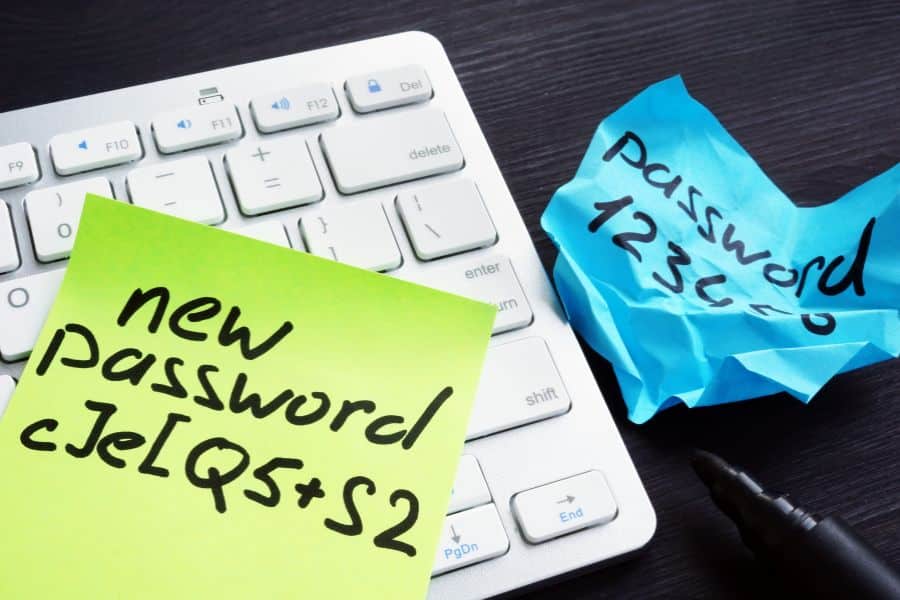
3. Use Strong, Unique Passwords and Multifactor Authentication
Passwords are your first line of defense against scammers. Use strong, unique passwords for your accounts, especially financial accounts and your email address. Whenever possible, enable multifactor authentication (MFA). This requires additional verification before you sign in and is another layer of protection against scams.
Strong passwords are long, random, and unique. They should be at least 12 to 16 characters long and contain a random mix of upper- and lowercase letters, numbers, and symbols. Another strategy is to string together several unrelated words with a number and symbol (ex: CowRed1BeretWalk!).
MAKE IT A HABIT: Use a different password for every account and turn on MFA when available. Use a password manager to keep track of your passwords and generate strong ones.
4. Monitor Your Bank Accounts Regularly
Catching fraudulent activity on your accounts early can save you a lot of frustration and heartache later. Even small or unfamiliar transactions can be worth investigating.
Review your checking and savings accounts, credit card statements, and recent transactions regularly. Look for purchases, withdrawals, transfers, or other activity you don’t recognize. Set up account alerts so you receive notifications on transactions, balance changes, and account access.
MAKE IT A HABIT: Check your accounts multiple times per week, enable useful account alerts, and contact us as soon as possible if you notice suspicious activity.
5. Be Skeptical of Urgent or Unusual Requests
Lake Region Bank will never try to scare you into action. Creating fear or excitement is a common strategy of scammers. They are trying to get you to act before you’ve had time to think. Common tactics we’ve seen are claiming a bank account will be closed or requesting your urgent help in a fraud investigation.
Other scams may ask you to transfer money to a safe account that is not yours, purchase gift cards, or keep a transaction secret. These are all things Lake Region Bank will never ask you to do.
These days, a familiar name or number on your caller ID doesn’t necessarily mean the call or text is legitimate. Scammers can use AI to fake caller ID and make their messages, images, and voices more convincing.
MAKE IT A HABIT: If someone is pressuring you to act immediately, pause. Take the time to verify unexpected requests independently by contacting the bank directly with a number you know and trust.
6. Protect Your Devices and Documents
Mobile banking and online banking are convenient. But they rely on you keeping your devices secure as a first line of defense against scammers and other cyber criminals.
Install software and security updates promptly, and use screen locks on your devices. Avoid banking on public Wi-Fi. Using your phone’s data plan rather than public Wi-Fi is a safer option.
The security of your paper documents is important, too. Criminals still go through trash and recycling for documents that contain personal information. Shred statements, checks, and other financial paperwork.
MAKE IT A HABIT: Keep your devices updated, store financial documents securely, and shred paperwork containing sensitive information before discarding it. Report lost or stolen checks promptly.
7. Verify Before Sending Money
Not all scams rely on stealing personal information. Some criminals use persuasion and manipulation instead. They use impersonation to convince you send money voluntarily.
For example, you might receive an unexpected invoice, a message from someone claiming to be a relative in an emergency, or instructions to change a vendor’s payment details. These requests are especially convincing when they include specific information about you or your business.
Before sending money or changing payment instructions, verify the request through a separate, trusted communication channel. If someone claims to be a family member, call them directly. If a vendor requests new payment details, confirm the change using a number you already know and trust.
MAKE IT A HABIT: Independently verify unexpected payment requests before sending money, approving a transfer, or changing account information.
What to Do if You Think You’re a Victim of a Scam
If you think you’ve already become a victim of a scam, there are a few things you can do.
- Bank Account or Card Compromised: Contact us promptly at 320-235-5900 to report a lost or stolen card or account breach. Review accounts for unauthorized activity.
- Password(s) Compromised: Change any passwords you think have been shared with a scammer as soon as possible from a trusted device. If you have used the compromised password with other accounts, change them, too.
- Money Sent: Contact us as soon as possible at 320-235-5900.
Finally, report all suspected scams to the Federal Trade Commission at reportfraud.ftc.gov.
At Lake Region Bank, we are here to help you navigate today’s evolving financial landscape. If you have questions about a suspicious communication or want to learn more about protecting your accounts, contact our local banking team. Remember that a little caution can make a big difference.
Financial Scam FAQs
What are the best habits for protecting yourself from financial scams?
Use strong, unique passwords, enable multifactor authentication, monitor your bank accounts multiple times per week, avoid suspicious links, protect personal information, and independently verify unexpected requests for money or sensitive information.
How can I tell if a message or phone call is a scam?
Watch for urgent demands, threats, suspicious links, requests for passwords or one-time passcodes, and unusual payment instructions. Scammers can also impersonate trusted organizations or manipulate caller ID, so verify unexpected communications using a trusted contact method.
How often should I check my bank accounts for suspicious activity?
Checking your accounts multiple times per week to help you identify unfamiliar purchases, withdrawals, transfers, or other potentially fraudulent transactions. Setting up account alerts can also help you monitor activity between reviews.
What should I do if I think I’ve been targeted by a financial scam?
Stop communicating with the suspected scammer and contact your bank promptly if you shared sensitive information or sent money. If your Lake Region Bank account or card may be compromised, call 320-235-5900 for assistance and review your accounts for unauthorized activity.

